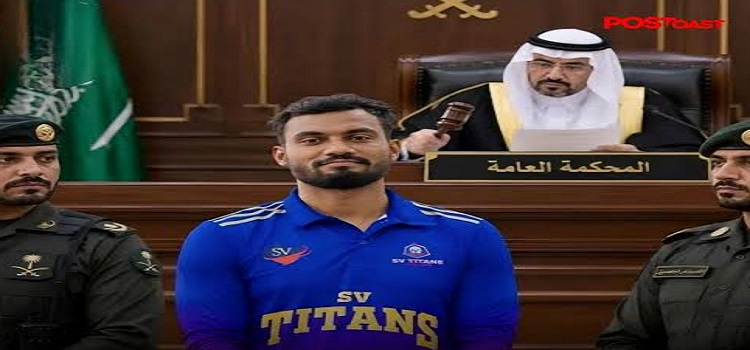
 A dog used to follow pilgrims to a Hindu religious site in Sri Lanka, and videos of it were shared warmly in Sri Lankan Hindu circles. In late June, offended by the videos, a Muslim man went to the pilgrimage site, located the dog, kicked it, and uploaded the video, sparking outrage. During one such argument, a Sri Lankan Muslim wrote a derogatory post against the Hindu deity. Anojan Sivarasa, a Sri Lankan Hindu working as a laborer in Saudi Arabia, didn’t like the comment and responded with a reply that was allegedly derogatory to the Prophet. Anojan’s well-wisher immediately warned him.
He took down the comment and issued a video apology within five minutes in which he said he was responding to an insult to his faith. However, it was too late. Anojan’s fellow Sri Lankan Muslims had already taken a screenshot and emailed it to his employer in Saudi Arabia. His employer promptly reported it to the authorities, who arrested Anojan and put him on trial. He has been sentenced to death. Saudi Arabia rarely reverses a decision once it has made one, but there should be global outrage over this. Blasphemy laws or whatever, the man was only responding to an insult to his faith, deleted the comment, and issued an apology within minutes, yet he will still have to pay with his life while those who provoked him are rejoicing in Sri Lanka. This is unacceptable. Anyone calling themselves a free speech supporter and not opposing this is a hypocrite of the highest order.- Skin Doctor
A 24-year-old Sri Lankan migrant worker, Anojan Sivarasa, has been sentenced to death in Saudi Arabia over a Facebook comment deemed blasphemous. His family says they have not heard from him since September 28. Sri Lankan President Anura Kumara Dissanayake has pledged to seek a pardon, while religious leaders and a legal team are calling for intervention. Saudi authorities have not announced an execution date as diplomatic efforts continue.
Deputy Foreign Minister Arun Hemachandra announces that Saudi Arabia’s Supreme Court has set aside the death sentence imposed on him, following sustained diplomatic and legal efforts by the Sri Lankan government.
It is not clear if there will be further legal proceedings or whether Sivarasa will remain in detention, and for how long. He was initially sentenced to five years in prison as well as a fine of three million Saudi riyals ($0.8m; £0.6m) by the Al-Ahsa Criminal Court.
Faizer Mustafa, a Sri Lankan lawmaker who is involved in legal negotiations with Saudi Arabia regarding Sivarasa’s case, confirmed to BBC Sinhala that Saudi Arabia had overturned the death sentence, adding that they are reviewing the Supreme Court’s latest ruling.
Sivarasa’s family had earlier said they have had no direct contact with him since 28 September.
International rights groups had also joined calls for Saudi to spare his life.
“Saudi authorities should end their use of abusive laws to hand out extraordinary sentences for speech-related offenses, especially against migrant workers who are already in a vulnerable position with limited protections,” Joey Shea, senior Saudi Arabia researcher at Human Rights Watch, said on Tuesday.